E-commerce support insights
Page 2 of 4

Comparisons & Buying Guides
7 Gorgias Alternatives for 2026 (Simpler, Cheaper, More Automated)
Gorgias suits stores with a staffed queue and real multichannel volume. If your inbox is mostly repetitive and your team is two people, you are paying for a workflow you do not run.
AskZoye Team·

Metrics & ROI
7 Customer Support KPIs Ecommerce Founders Should Actually Track
Most support dashboards measure activity rather than outcomes. These seven metrics change a decision or expose a problem, and every one of them can be gamed.
AskZoye Team·

Customer Support
How to Handle Return & Exchange Requests at Scale
At fifty returns a month, a shared inbox and a spreadsheet work fine. At five hundred, the same setup produces missed requests, inconsistent decisions and a January that nobody on the team wants to talk about.
AskZoye Team·

Comparisons & Buying Guides
Best AI Chatbots for Ecommerce Customer Service (2026)
Every chatbot vendor describes itself the same way: AI-powered, autonomous, resolves everything. Shortlisting one in 2026 is harder than it was in 2022, and the amount of choice is not the reason.
AskZoye Team·

Comparisons & Buying Guides
7 Customer Service Workflows Every Ecommerce Store Should Automate
"Add AI to support" is not a plan; a workflow is. The seven ecommerce support workflows worth automating first, each with its trigger, action, handoff rule and the metric it moves, and the order to roll them out.
AskZoye Team·

Comparisons & Buying Guides
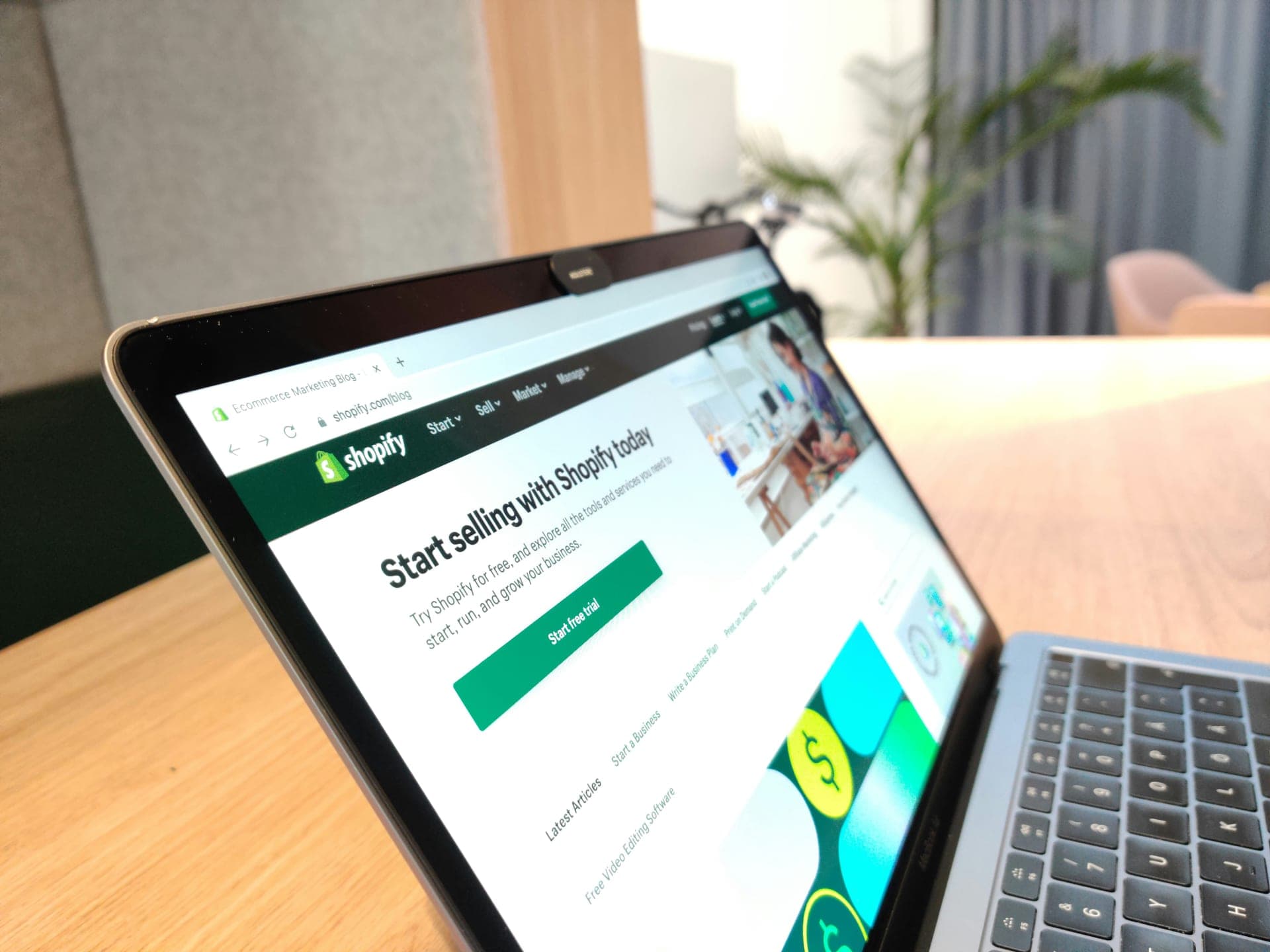
How to Automate Customer Service on Shopify (Without Losing the Human Touch)
Audit the tickets, fix the answers behind them, connect the store data, then automate one workflow at a time. Seven steps, plus the escalation rules and handoffs that keep the conversations that matter human.
AskZoye Team·
Customer Support
Customer Service Automation for Ecommerce: The 2026 Playbook
Most stores automate support in the wrong order. What to automate first, the five-rung maturity ladder, a six-week rollout you can run alongside normal operations, and the six metrics that prove it worked.
AskZoye Team·

Metrics & ROI
How Customer Support Quietly Raises Customer Lifetime Value
Support is budgeted as a cost line, but it moves all four variables in the CLV formula. The working maths, the mechanism behind each variable, and a clearly labelled illustrative model.
AskZoye Team·

Guides
What to Put in Your AI Knowledge Base (and What Quietly Ruins It)
The required part is small: get the information in there. Everything after that is optional polish — worth doing, but not what stands between you and a working answer.
AskZoye Team·

Guides
How to Set Up Your AI Shopping Assistant Properly (15-Minute Guide)
Four steps, fifteen minutes. Including the one setting that causes almost every "the chat widget isn't showing" support ticket.
AskZoye Team·
Comparisons & Buying Guides
AI Chatbot for Shopify: What It Can & Can't Do in 2026
An honest split of what a Shopify AI chatbot handles well, what it shouldn't touch, and how to set one up without generating one-star reviews.
AskZoye Team·

Customer Support
Let Customers Check Their Own Order Status on Shopify (Kill WISMO)
Shopify already holds the answer to almost every order status question you get. Five ways to put it within the customer’s reach, compared by effort and coverage.
AskZoye Team·